

Type 2 diabetes is one of the fastest-growing lifestyle diseases in India, affecting millions of adults every year. While medications play an important role in managing blood sugar, many people wonder: can type 2 diabetes be reversed? Recent research suggests that for some individuals, especially in the early stages, significant lifestyle changes can help achieve diabetes remission under proper medical supervision.
At FitNova Wellness, we believe that sustainable health begins with a whole food plant-based (WFPB) lifestyle, regular physical activity, quality sleep, and stress management. Rather than focusing on short-term fixes, our approach emphasises long-term habits that support overall metabolic health.
In this article, we’ll explore what science says about type 2 diabetes reversal, the factors that contribute to the condition, and how lifestyle changes may help improve blood sugar control.
Table of Contents
- What Causes Type 2 Diabetes?
- Can Type 2 Diabetes Be Reversed?
- What Lifestyle Changes Help Improve Blood Sugar?
- What Should You Eat If You Have Type 2 Diabetes?
- How Can a Diabetes Lifestyle Program Help?
- Expert Answer
- FAQs
What Causes Type 2 Diabetes?
Understanding what causes type 2 diabetes is the first step toward prevention and effective management.
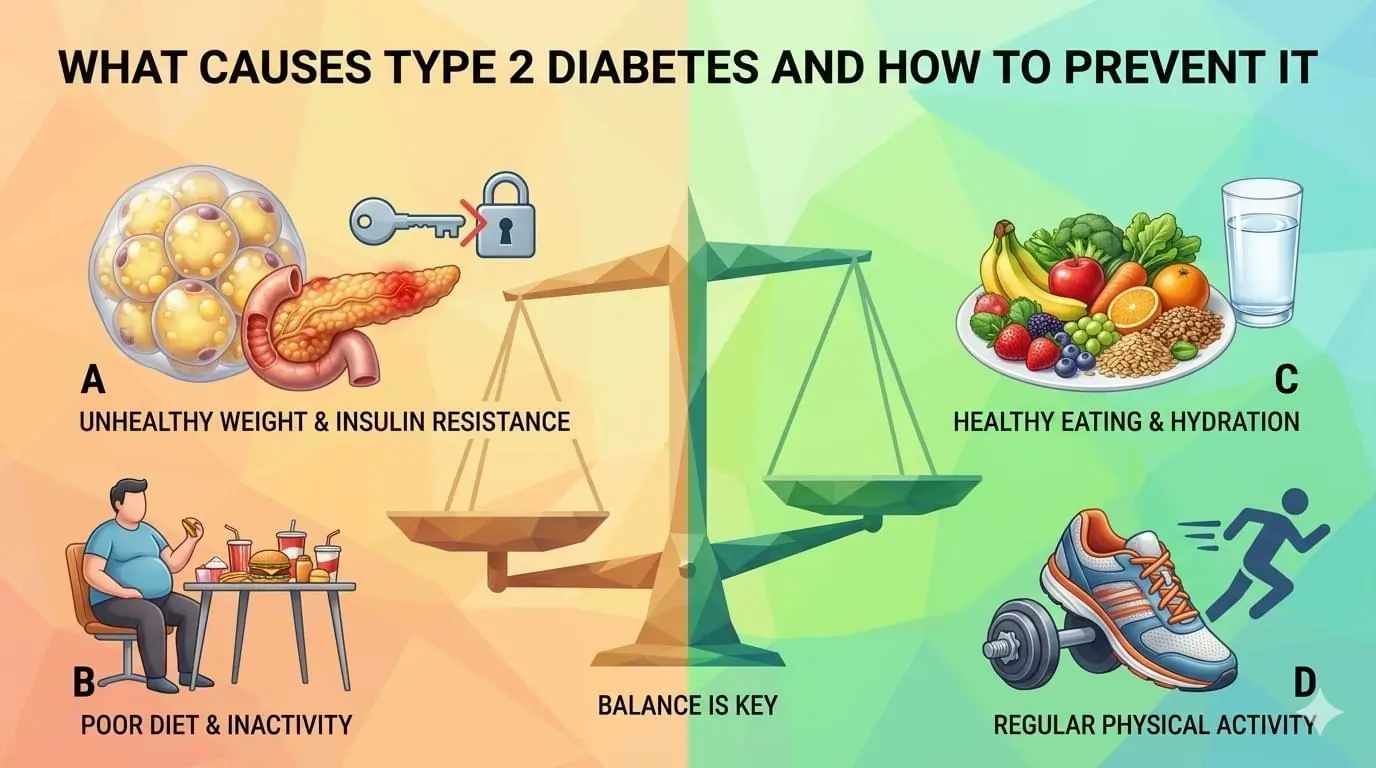
Type 2 diabetes develops when the body’s cells become resistant to insulin or when the pancreas cannot produce enough insulin to maintain healthy blood sugar levels.
Several factors increase the risk, including:
- Excess body weight
- Physical inactivity
- Family history
- Unhealthy dietary habits
- Chronic stress
- Poor sleep quality
- Increasing age
Although genetics play a role, lifestyle factors have a significant influence on the development and progression of type 2 diabetes.
Can Type 2 Diabetes Be Reversed?
One of the most common questions people ask is, can type 2 diabetes be reversed?
The answer is encouraging—but it requires careful understanding.
Medical experts often use the term “diabetes remission” rather than “cure.” Remission means blood sugar levels return to the non-diabetic range for an extended period without the need for diabetes medications, under medical supervision.
Research indicates that some individuals—particularly those diagnosed recently—may achieve remission through:
- Healthy weight loss
- Balanced nutrition
- Regular physical activity
- Better sleep
- Stress reduction
- Ongoing medical monitoring
Not everyone will achieve remission, and results vary depending on factors such as age, duration of diabetes, overall health, and pancreatic function. However, adopting healthy lifestyle habits benefits nearly everyone with type 2 diabetes.
What Lifestyle Changes Help Improve Blood Sugar?
Lifestyle changes are considered the foundation of effective type 2 diabetes management.
Eat More Whole Plant Foods
A Whole Food Plant-Based eating pattern encourages:
- Green leafy vegetables
- Seasonal fruits
- Whole grains
- Lentils
- Beans
- Nuts
- Seeds
These foods provide dietary fiber that supports healthy digestion and may help improve blood sugar management.
Stay Physically Active
Regular physical activity helps muscles use glucose more efficiently and supports healthy weight management.
Aim for at least:
- 150 minutes of moderate exercise each week
- Strength training two to three days per week
- Daily walking whenever possible
Even small increases in physical activity can have meaningful health benefits.
Maintain a Healthy Weight
Excess body fat, particularly around the abdomen, is closely associated with insulin resistance.
Gradual, sustainable weight loss can improve insulin sensitivity and reduce the risk of diabetes-related complications.
Prioritize Quality Sleep
Poor sleep can negatively affect blood sugar regulation and increase hunger hormones.
Adults should generally aim for 7–8 hours of quality sleep each night.
Manage Stress
Chronic stress may increase blood sugar by affecting hormone levels.
Simple stress-management practices include:
- Meditation
- Deep breathing
- Yoga
- Walking outdoors
- Spending time with family and friends
Healthy stress management complements good nutrition and regular exercise.
What Should You Eat If You Have Type 2 Diabetes?
Healthy eating is about overall dietary patterns rather than individual “superfoods.”
Instead of following a fixed day-long diet chart, people with type 2 diabetes can focus on a few practical principles that can be adapted to their individual needs, food preferences, health conditions, and medical advice.
Some useful dietary tips include:
- Prioritise vegetables, particularly a variety of non-starchy vegetables.
- Include whole grains, legumes, beans, lentils, nuts, and seeds as part of a balanced eating pattern.
- Choose whole fruits rather than relying on fruit juices or other sugary beverages.
- Reduce highly processed foods and foods high in added sugars.
- Choose minimally processed foods more often and build meals around whole plant foods.
- Pay attention to portion sizes and overall meal balance rather than completely eliminating individual foods.
- Drink water regularly and limit sugar-sweetened beverages.
- Make dietary changes gradually so they can become sustainable long-term habits.
There is no single diabetes diet that is appropriate for everyone. Individual requirements can vary depending on blood sugar levels, medications, existing health conditions, activity levels, and personal dietary needs. A qualified healthcare professional can provide personalised guidance when required.
How Can a Diabetes Lifestyle Program Help?
A structured diabetes lifestyle program Pune focuses on improving daily habits that influence blood sugar control and overall health. Rather than relying only on medications, these programs combine nutrition, physical activity, stress management, sleep, and regular monitoring to create a sustainable plan.
A personalized lifestyle program may include:
- Individual health assessment
- Nutrition guidance based on your health goals
- Physical activity recommendations
- Weight management strategies
- Stress management techniques
- Regular follow-ups to monitor progress
For many people, adopting healthier lifestyle habits not only improves blood sugar management but also reduces the risk of long-term diabetes-related complications.
Is a Diabetes Reversal Program Right for Everyone?
Many people search for a diabetes reversal program India hoping for a permanent cure. However, it’s important to understand that diabetes remission is not guaranteed and depends on several individual factors.
A structured lifestyle program may be beneficial for individuals who:
- Have recently been diagnosed with type 2 diabetes
- Are overweight or living with obesity
- Are motivated to make long-term lifestyle changes
- Can participate in regular medical follow-ups
The goal is not simply lowering blood sugar numbers but improving overall metabolic health through sustainable habits.
Expert Answer
Can Lifestyle Changes Really Make a Difference?
According to Dr Archana Shinde, research has shown that significant weight loss through healthy lifestyle changes can help some individuals with type 2 diabetes achieve remission, particularly when intervention occurs early after diagnosis. However, maintaining remission requires continued healthy eating, physical activity, and ongoing medical supervision.
His work emphasizes that remission is possible for some people, but long-term success depends on maintaining healthy lifestyle habits.
Frequently Asked Questions
Can type 2 diabetes be reversed permanently?
Some individuals may achieve diabetes remission through significant lifestyle changes and healthy weight loss, particularly in the early stages of the disease. However, remission requires ongoing healthy habits and regular medical monitoring.
What causes type 2 diabetes?
What causes type 2 diabetes involves a combination of factors, including insulin resistance, excess body weight, physical inactivity, genetics, unhealthy eating habits, poor sleep, and chronic stress.
What foods are best for people with type 2 diabetes?
Whole grains, vegetables, fruits, legumes, nuts, and seeds can be part of a balanced eating pattern. Limiting highly processed foods and sugary drinks may also support healthy blood sugar management.
Can exercise improve blood sugar levels?
Yes. Regular physical activity helps improve insulin sensitivity, supports healthy weight management, and contributes to overall metabolic health.
What is a diabetes lifestyle program?
A diabetes lifestyle program Pune combines personalized nutrition, physical activity, sleep improvement, stress management, and behavioural coaching to help individuals manage type 2 diabetes more effectively.
Is a diabetes reversal program suitable for everyone?
Not necessarily. A diabetes reversal program India should always be guided by qualified healthcare professionals. Individual results vary depending on medical history, duration of diabetes, and overall health.
Disclaimer: This article is intended for educational purposes only and should not replace professional medical advice, diagnosis, or treatment. Always consult a qualified healthcare professional before making changes to your diet, medication, or lifestyle.
Taking the First Step Toward Better Diabetes Management
Living with type 2 diabetes does not mean your health journey has reached its limit. Consistent lifestyle changes—including nutritious eating, regular physical activity, quality sleep, and stress management—can significantly improve blood sugar control and overall well-being. While remission may be possible for some individuals, the focus should always remain on building sustainable habits that support lifelong health.
At FitNova Wellness, we support individuals through personalized lifestyle programs built around a Whole Food Plant-Based approach and evidence-based wellness practices. Working alongside your healthcare provider, these healthy habits can help you take meaningful steps toward better metabolic health and an improved quality of life.