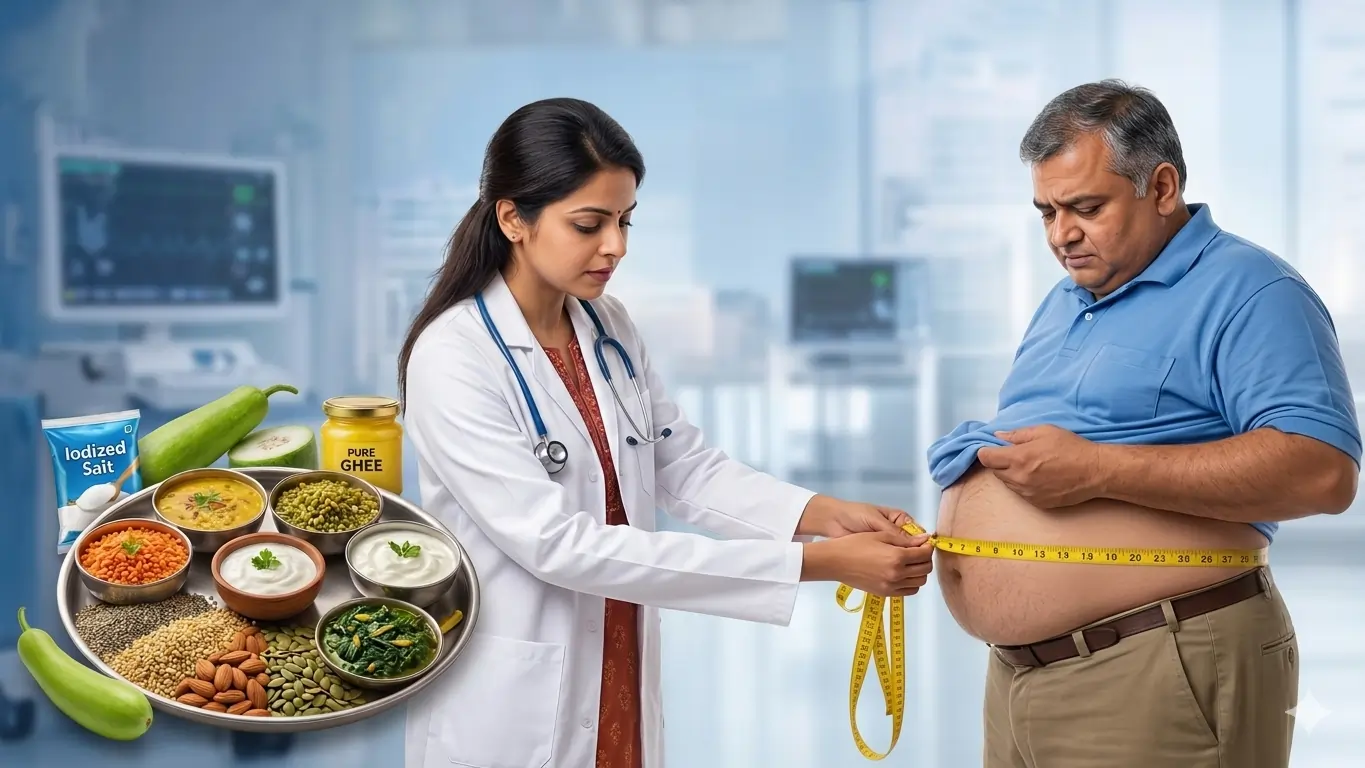

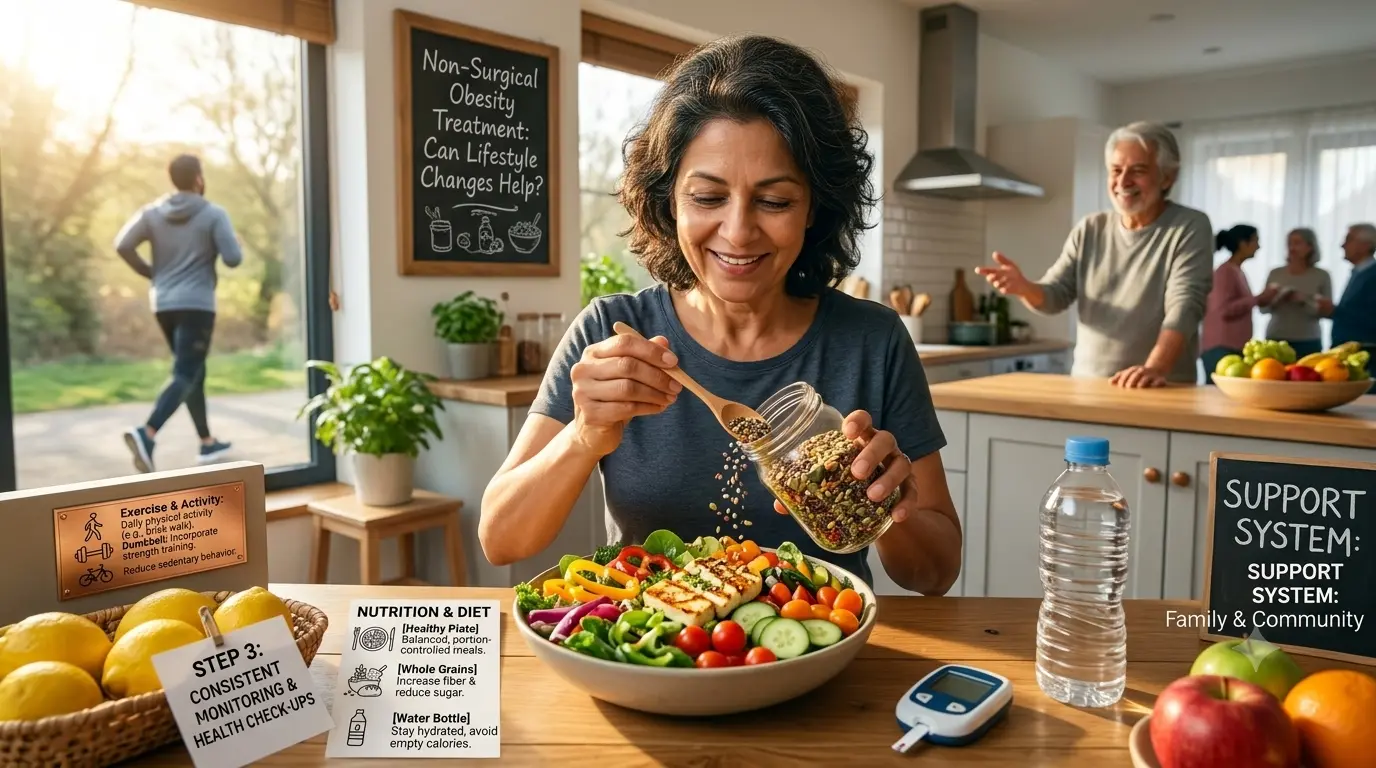
Obesity is a complex health condition influenced by many factors, including eating habits, physical activity, sleep, stress, genetics, medical conditions, and certain medications. It is not simply the result of a lack of willpower. Because every person’s health needs are different, obesity management often requires a personalized and long-term approach.
Many people looking for non surgical obesity treatment want to improve their health without undergoing weight-loss surgery. For some individuals, sustainable lifestyle changes can play an important role in weight management and overall metabolic health. However, the right approach depends on factors such as medical history, current health conditions, weight-related risks, and individual goals.
At FitNova Wellness, obesity care focuses on sustainable lifestyle changes and a Whole Food Plant-Based approach that encourages minimally processed plant foods, healthy daily habits, and long-term wellness.
Table of Contents
- What Is Non-Surgical Obesity Treatment?
- Can Lifestyle Changes Help Manage Obesity?
- How Can Nutrition Support Healthy Weight Management?
- What Role Does Physical Activity Play?
- Why Are Sleep and Stress Important?
- How to Manage Obesity Without Surgery?
- When Should You Consult an Obesity Specialist?
- Expert Answer
- Frequently Asked Questions
What Is Non-Surgical Obesity Treatment?
Non surgical obesity treatment refers to approaches that do not involve weight-loss surgery. Depending on an individual’s health needs, treatment may include nutrition guidance, physical activity, behaviour change, sleep improvement, stress management, medical monitoring, and, when clinically appropriate, prescribed medication.
Lifestyle-based care focuses on improving daily habits that affect body weight and overall health. It does not usually rely on a single diet, exercise routine, or quick solution. Instead, it considers the factors that may contribute to weight gain and develops practical strategies that can be maintained over time.
For some people, lifestyle changes may be the main approach. Others may need additional medical support. A qualified healthcare professional can help determine which options are appropriate.
Can Lifestyle Changes Help Manage Obesity?
Lifestyle changes can support healthier weight management and may improve several aspects of overall health. A structured approach generally combines nutrition, regular movement, sleep, stress management, and behaviour-related support.
The benefits may extend beyond changes on the weighing scale. Sustainable lifestyle habits may help improve:
- Physical fitness
- Energy levels
- Mobility
- Sleep quality
- Blood sugar management
- Blood pressure
- Overall quality of life
Weight loss does not need to be rapid to be meaningful. Gradual progress and consistent habits are often easier to maintain than highly restrictive diets or intense exercise routines that are difficult to continue.
How Can Nutrition Support Healthy Weight Management?
Nutrition is an important part of obesity treatment without surgery, but extreme diets may be difficult to follow and can lead to repeated cycles of weight loss and regain.
A sustainable eating pattern should be balanced, practical, and suited to an individual’s lifestyle. FitNova Wellness follows a Whole Food Plant-Based approach that emphasizes foods such as:
- Vegetables
- Whole fruits
- Whole grains
- Lentils and beans
- Chickpeas
- Nuts and seeds
- Minimally processed plant foods
These foods provide dietary fiber and important nutrients while helping create satisfying meals. However, portion needs differ based on age, activity level, health conditions, and personal goals.
A simple day of balanced meals may include:
Breakfast
Vegetable oats, millet upma, or poha with vegetables and a serving of fruit.
Lunch
Dal or beans with whole grains, cooked vegetables, and a fresh salad.
Evening Snack
Fresh fruit, roasted chana, or a small portion of nuts and seeds.
Dinner
A vegetable-based meal with lentils, beans, or whole grains.
Instead of trying to change everything at once, gradual improvements may be easier to maintain. For example, adding more vegetables, reducing sugary drinks, and replacing highly processed snacks with whole-food options can be practical starting points.
What Role Does Physical Activity Play?
Physical activity supports health even when weight changes slowly. Regular movement can improve cardiovascular fitness, preserve muscle strength, support mobility, and contribute to long-term weight management.
Suitable activities may include:
- Brisk walking
- Cycling
- Swimming
- Yoga
- Strength-training exercises
- Dancing
- Everyday movement, such as taking the stairs
The best activity is one that is safe, enjoyable, and realistic for your current fitness level. People who are new to exercise can begin with short sessions and gradually increase duration and intensity.
Strength training is also important because it helps maintain or build muscle. A combination of aerobic activity and strength exercises may provide broader health benefits than relying on only one type of exercise.
Why Are Sleep and Stress Important for Weight Management?
Sleep and stress are often overlooked when discussing obesity. However, both can influence appetite, food choices, energy levels, and the ability to maintain healthy habits.
Poor sleep may increase hunger and make it more difficult to manage cravings. Adults generally benefit from maintaining a consistent sleep routine and getting adequate, good-quality sleep.
Chronic stress may also affect eating behaviour. Some people may eat more frequently or choose highly processed foods when they feel stressed. Helpful stress-management practices may include:
- Meditation
- Deep breathing
- Yoga
- Walking outdoors
- Spending time with family and friends
- Maintaining a regular daily routine
Managing stress does not mean avoiding all challenges. It means developing healthy ways to respond to them without relying on food as the primary coping mechanism.
How to Manage Obesity Without Surgery?
People searching for how to manage obesity without surgery often expect one specific solution. In reality, successful weight management usually involves several connected lifestyle changes.
A practical approach may include:
- Setting realistic health goals
- Eating more whole, minimally processed foods
- Increasing daily physical activity
- Including strength exercises regularly
- Improving sleep quality
- Managing stress
- Monitoring progress without becoming overly focused on daily weight changes
- Seeking professional guidance when needed
The goal should not only be to lose weight quickly. Improving strength, energy, mobility, fitness, and metabolic health can also be valuable signs of progress.
What Does Obesity Treatment Without Surgery in India Include?
Interest in obesity treatment without surgery India is increasing as more people look for sustainable ways to improve their health. A lifestyle-based program may include personalized nutrition guidance, physical activity planning, behaviour-change support, sleep improvement, stress management, and regular health monitoring.
The right approach depends on the individual. Factors such as age, medical history, body weight, existing health conditions, medications, and daily routine should be considered before creating a plan.
A comprehensive program may help individuals:
- Understand possible factors contributing to weight gain
- Develop healthier eating habits
- Increase physical activity safely
- Improve sleep and stress-management routines
- Set realistic and measurable goals
- Build habits that can be maintained over time
Lifestyle care should not be viewed as a quick fix. Sustainable progress often requires regular follow-ups, adjustments, and long-term commitment.
Which Lifestyle Changes Can Support Non-Surgical Obesity Management?
Effective obesity treatment without surgery usually involves several lifestyle factors rather than one specific diet or exercise routine. The following areas may work together to support sustainable weight management and overall health.
| Lifestyle Area | Practical Approach | How It May Support Health |
| Nutrition | Choose vegetables, fruits, whole grains, legumes, nuts, and seeds | Supports balanced meals and increases dietary fiber |
| Physical Activity | Include regular walking, cycling, yoga, or other suitable activities | Supports fitness, mobility, and long-term weight management |
| Strength Training | Perform strength exercises based on your fitness level | Helps maintain muscle strength and supports physical function |
| Sleep | Maintain a regular sleep schedule and aim for adequate quality sleep | May support appetite regulation, energy, and healthy routines |
| Stress Management | Practice meditation, deep breathing, yoga, or relaxing activities | May help reduce stress-related eating and improve well-being |
| Behaviour Change | Set realistic goals and track habits consistently | Helps build sustainable routines over time |
| Professional Support | Consult a qualified healthcare professional when needed | Provides personalized guidance based on individual health needs |
When Should You Consult an Obesity Specialist?
It may be helpful to consult a qualified healthcare professional if weight-related concerns are affecting your health, mobility, energy levels, or quality of life.
You may consider seeking professional guidance if you:
- Have difficulty managing weight despite consistent efforts
- Have type 2 diabetes, high blood pressure, fatty liver, or other weight-related health concerns
- Experience sleep-related problems
- Have frequent weight loss and regain
- Are unsure which diet or exercise plan is appropriate
- Want a personalized and medically informed approach
If you are looking for an obesity specialist Pune, choose a qualified professional who evaluates your overall health rather than focusing only on the number on the weighing scale.
A comprehensive assessment may include your medical history, eating habits, activity level, sleep, stress, medications, and health goals. This can help create a more realistic and individualized plan.
Can Obesity Be Managed Without Extreme Diets?
Many people believe they must follow strict diets or eliminate several food groups to lose weight. However, highly restrictive plans may be difficult to maintain and can sometimes lead to repeated cycles of weight loss and regain.
A more sustainable approach focuses on improving food quality and building balanced meals. A Whole Food Plant-Based eating pattern can include a variety of vegetables, fruits, whole grains, legumes, nuts, and seeds.
Helpful changes may include:
- Adding vegetables to regular meals
- Choosing whole fruits instead of sugary snacks
- Including beans or lentils as a source of plant protein
- Reducing sugary drinks
- Limiting highly processed foods
- Eating slowly and paying attention to hunger and fullness cues
Individual nutrition needs can vary. People with medical conditions should seek personalized guidance before making major dietary changes.
Expert Answer
Can Lifestyle Changes Provide Long-Term Benefits for Obesity?
According to Dr Archana Shinde, obesity is a chronic and complex disease that requires long-term care. Sustainable management often involves a combination of healthy eating, physical activity, behavioural support, and ongoing medical guidance.
This perspective highlights why short-term diets may not be enough. Long-lasting progress is more likely when healthy habits are practical, personalized, and supported over time.
Frequently Asked Questions (FAQs)
What is non-surgical obesity treatment?
Non surgical obesity treatment refers to obesity-management approaches that do not involve weight-loss surgery. These may include personalized nutrition, physical activity, behaviour change, sleep improvement, stress management, medical monitoring, and medication when clinically appropriate.
Can obesity be managed without surgery?
Yes, many people can benefit from lifestyle-based obesity management without surgery. However, results vary, and the most appropriate treatment depends on individual health needs, medical history, and weight-related risks.
How can I manage obesity without surgery?
If you are wondering how to manage obesity without surgery, focus on sustainable habits such as eating more whole foods, staying physically active, improving sleep, managing stress, and seeking professional guidance when needed.
Is obesity treatment without surgery effective?
Obesity treatment without surgery may support meaningful improvements in weight and overall health when it is personalized and followed consistently. Outcomes vary between individuals, and some people may require additional medical treatment.
When should I consult an obesity specialist?
Consider consulting an obesity specialist if weight-related concerns affect your health or daily life, or if you have been unable to achieve sustainable progress despite consistent efforts.
Does a Whole Food Plant-Based diet support weight management?
A Whole Food Plant-Based eating pattern emphasizes vegetables, fruits, whole grains, legumes, nuts, and seeds. These foods can provide fiber and support balanced, satisfying meals. Individual dietary needs may vary, so personalized guidance can be helpful.
Disclaimer: This article is for educational purposes only and is not a substitute for professional medical advice, diagnosis, or treatment. Consult a qualified healthcare professional before making major changes to your diet, exercise routine, medication, or obesity-management plan.
Building a Sustainable Path Toward Better Health
Managing obesity is not about finding a quick solution or following an extreme diet. It involves understanding the factors that affect weight and developing practical habits that support long-term health.
At FitNova Wellness, the focus is on personalized lifestyle care and a Whole Food Plant-Based approach that supports sustainable changes in nutrition, physical activity, sleep, and overall well-being. With appropriate professional guidance, individuals can work toward healthier habits and meaningful improvements over time.