
Polycystic ovary syndrome (PCOS) is a common hormonal and metabolic condition that can affect menstrual cycles, ovulation, insulin sensitivity, body weight, and fertility. For women planning pregnancy, nutrition and lifestyle habits can be an important part of supporting overall health.
A healthy eating pattern cannot guarantee PCOS reversal or pregnancy, but making sustainable dietary and lifestyle changes may help improve metabolic health and support regular ovulation in some women.
A well-planned Whole Food Plant-Based approach can provide vegetables, fruits, whole grains, legumes, nuts, and seeds while reducing reliance on highly processed foods. For Indian women, this approach can also be adapted to familiar foods and everyday eating habits.
This guide explains how an Indian PCOS-friendly eating pattern can support overall health and what women should consider when planning their nutrition.
Table of Contents
- What Is the Connection Between PCOS and Fertility?
- How Can Diet Support Women With PCOS?
- What Should a PCOS Fertility Diet Include?
- Which Indian Foods Can Be Included in a PCOS-Friendly Diet?
- Can Diet Help Reverse PCOS Naturally in India?
- What Is a PCOS Reversal Program?
- How Can Lifestyle Changes Support Fertility?
- Expert Answer
- Frequently Asked Questions
What Is the Connection Between PCOS and Fertility?
PCOS can affect fertility primarily because hormonal and metabolic changes may interfere with regular ovulation. Some women with PCOS may have irregular or absent periods, which can make predicting ovulation more difficult.
Insulin resistance is also common among women with PCOS. When the body does not respond effectively to insulin, the pancreas may produce more insulin. Higher insulin levels can influence ovarian hormone production and may contribute to hormonal imbalance in some women.
However, PCOS affects women differently. Not every woman with PCOS has insulin resistance, excess weight, or fertility problems.
This is why nutrition and lifestyle recommendations should be individualized rather than based on a single diet plan.
How Can Diet Support Women With PCOS?
There is no single food that can cure PCOS. Instead, the overall dietary pattern matters.
A balanced eating pattern can help support healthy blood sugar regulation, provide essential nutrients, and make it easier to maintain a healthy body weight when weight management is needed.
For women searching for a PCOS fertility diet in India, the focus should be on nutrient-dense foods that are practical within Indian eating habits.
A Whole Food Plant-Based pattern can emphasise:
- Vegetables
- Whole fruits
- Whole grains
- Lentils and beans
- Chickpeas
- Peas
- Nuts and seeds
- Minimally processed plant foods
These foods provide fiber, vitamins, minerals, and other nutrients that contribute to overall health.
What Should a PCOS Fertility Diet Include?
A practical diet for PCOS does not need to be complicated. Instead of following restrictive rules, women can focus on building balanced meals using whole or minimally processed foods.
Should You Include More Vegetables?
Yes. Vegetables can form an important part of everyday meals. Include different varieties such as leafy greens, carrots, beans, cauliflower, cabbage, tomatoes, gourds, and other seasonal vegetables.
Eating a variety of vegetables also helps provide different vitamins, minerals, and phytonutrients.
Are Whole Grains Suitable for PCOS?
Whole grains can be included as part of a balanced eating pattern. Options may include oats, brown rice, millets, whole wheat, barley, and other traditional whole grains.
The focus should be on overall meal quality and portion balance rather than completely eliminating carbohydrates.
What About Lentils and Beans?
Lentils, beans, chickpeas, peas, and other legumes can be valuable sources of plant protein and dietary fiber.
They can be incorporated into familiar Indian meals such as dal, chana, rajma, sprouts, and vegetable-based preparations.
Can Fruits Be Part of a PCOS Diet?
Yes. Whole fruits provide fiber and nutrients and can be part of a balanced diet. Instead of avoiding fruit because of its naturally occurring sugars, focus on whole fruits and overall dietary balance.
Fruit juices and sugar-sweetened beverages are different because they can provide concentrated sugar with less fiber.
Which Indian Foods Can Be Included in a PCOS-Friendly Diet?
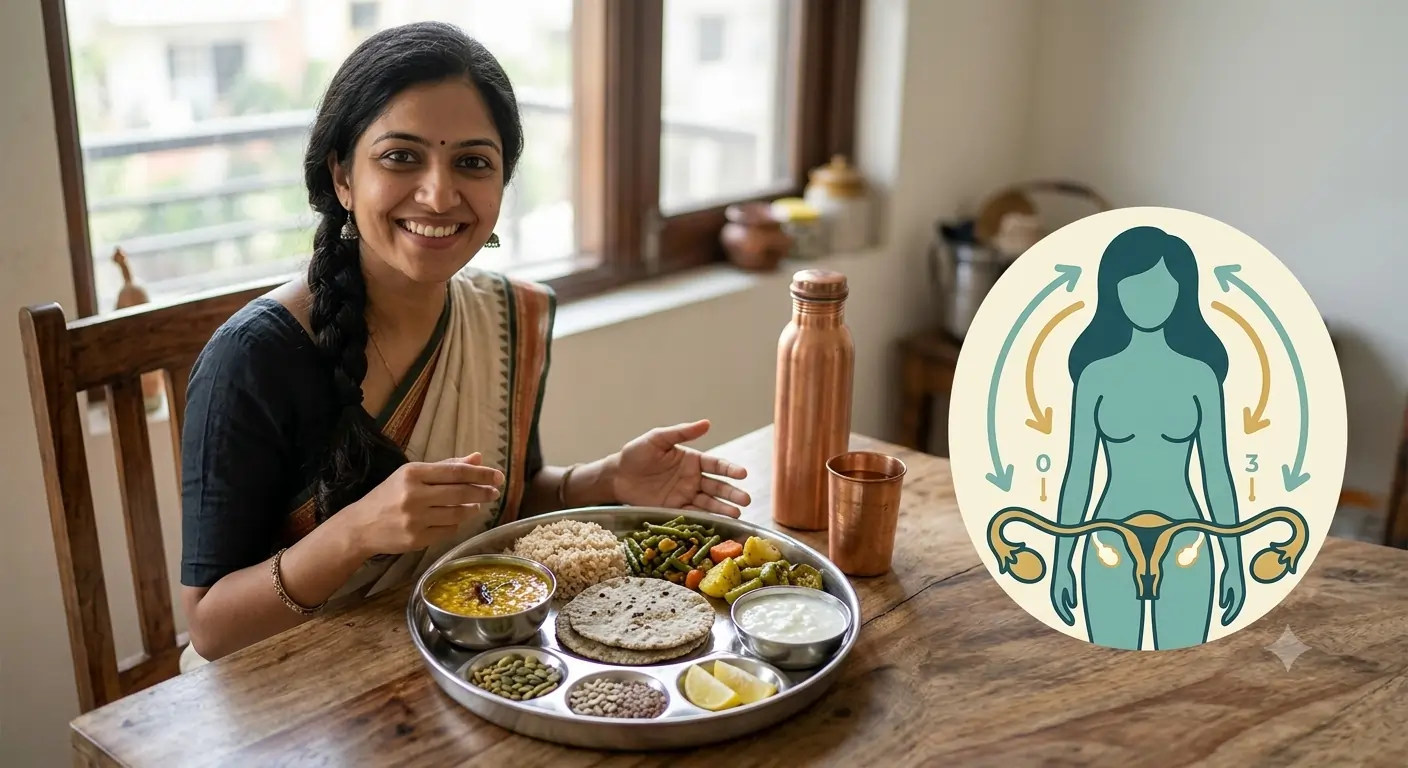
A PCOS diet plan in India does not need to look completely different from traditional Indian food. Many familiar foods can fit into a healthy eating pattern.
| Food Group | Examples |
| Vegetables | Spinach, beans, carrots, cauliflower, cabbage, gourds |
| Whole grains | Oats, millets, brown rice, whole wheat, barley |
| Legumes | Dal, chickpeas, rajma, peas, beans |
| Fruits | Guava, apple, orange, berries, papaya, seasonal fruits |
| Nuts & seeds | Almonds, walnuts, flaxseeds, chia seeds, sesame seeds |
| Herbs & spices | Turmeric, cumin, coriander, ginger, garlic |
The exact foods and portions should depend on individual nutritional needs, activity levels, health conditions, and personal preferences.
Can Diet Help Reverse PCOS Naturally in India?
The phrase reverse PCOS naturally in India is commonly searched by women looking for non-medication approaches. However, it is important to use the term “reversal” carefully.
PCOS is a long-term condition, and there is no universally proven diet that permanently eliminates it. Some women may experience improvements in menstrual regularity, metabolic health, ovulation, and symptoms after making appropriate lifestyle changes.
For others, medical treatment may still be necessary.
Therefore, the goal should be to improve health and manage PCOS effectively rather than promise a permanent cure.
Weight management, when appropriate, regular physical activity, adequate sleep, stress management, and a nutritious eating pattern can all form part of comprehensive PCOS care.
What Is a PCOS Reversal Program?
A PCOS reversal program should not mean following an extreme diet or stopping prescribed treatment without medical advice.
A responsible lifestyle program may focus on:
- Personalized nutrition
- Healthy weight management when appropriate
- Regular physical activity
- Sleep quality
- Stress management
- Behaviour and habit changes
- Monitoring metabolic and reproductive health
Women trying to conceive may require additional medical assessment because fertility depends on several factors beyond diet.
A healthcare professional can determine whether further evaluation or fertility treatment is appropriate.
How Can Lifestyle Changes Support Fertility?
Nutrition is only one part of fertility-focused PCOS management.
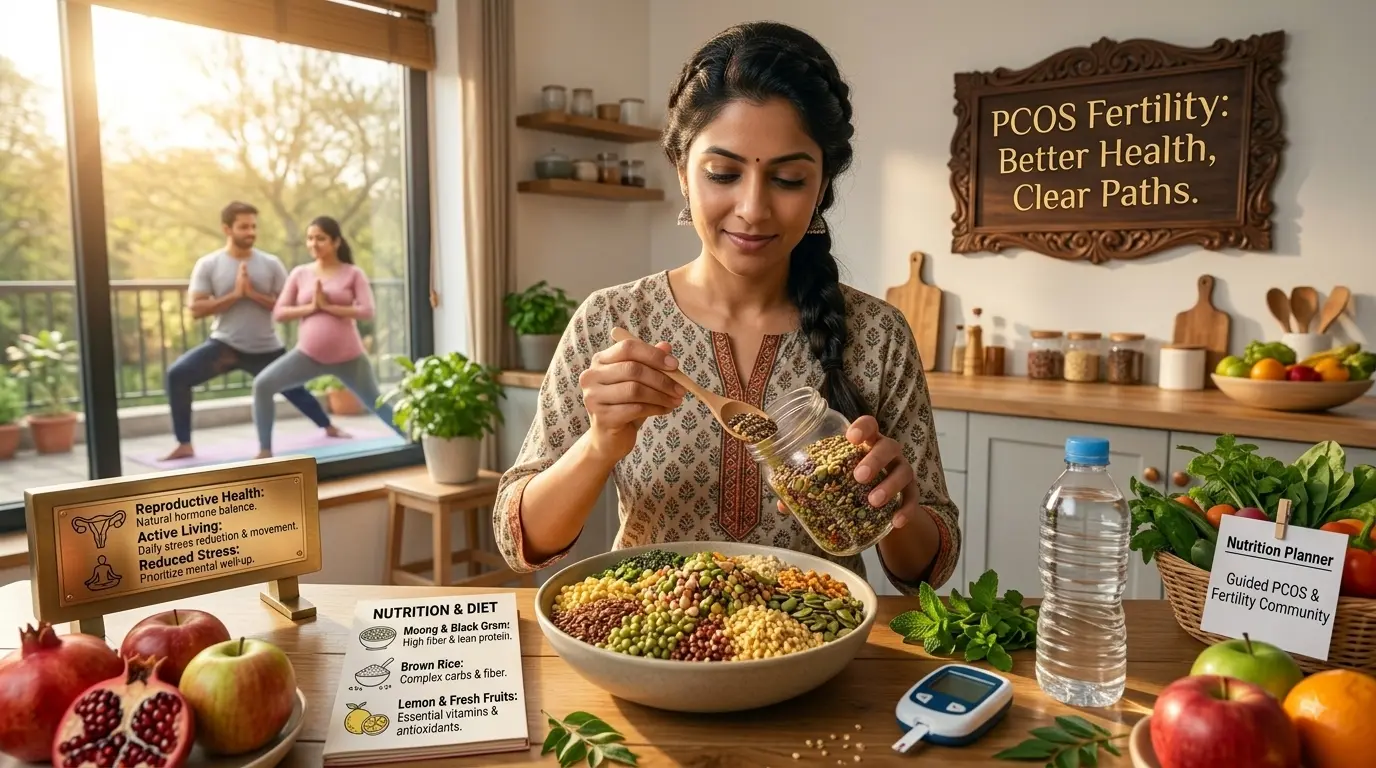
Regular physical activity may support insulin sensitivity and cardiovascular health. Strength exercises, walking, yoga, cycling, or other suitable activities can be incorporated according to individual fitness levels.
Sleep is another important factor. Maintaining a consistent sleep routine and getting adequate rest can support overall metabolic and hormonal health.
Stress management may also be useful. Meditation, breathing exercises, gentle yoga, outdoor walks, and relaxation practices can help develop healthier routines.
For women planning pregnancy, avoiding smoking and limiting alcohol are also important health considerations.
What Should Women Avoid When Managing PCOS?
Rather than creating a long list of forbidden foods, it can be more practical to reduce foods that are highly processed or high in added sugars.
Examples may include:
- Sugar-sweetened beverages
- Frequent sweets and desserts
- Highly processed snack foods
- Excessively refined foods
- Frequent fast-food meals
The aim is not perfection. Sustainable changes are generally more realistic than strict restrictions that are difficult to maintain.
Expert Answer
Can Diet Improve PCOS and Fertility?
PCOS clinical guidance emphasises healthy lifestyle behaviours as an important component of PCOS management. According to the international evidence-based PCOS guideline developed by an international multidisciplinary group, lifestyle management should be considered for all women with PCOS, with healthy eating and physical activity forming important components of care.
However, diet should not be presented as a guaranteed fertility treatment or replacement for appropriate medical care. Women experiencing difficulty conceiving should discuss their situation with a qualified healthcare professional.
Frequently Asked Questions
What is the best fertility diet for Indian women with PCOS?
There is no single best diet for every woman with PCOS. A balanced pattern based on vegetables, whole fruits, whole grains, legumes, nuts, seeds, and other minimally processed foods can support overall health.
Can a PCOS diet help with fertility?
A healthy lifestyle may support metabolic health and ovulatory function in some women with PCOS. However, fertility outcomes vary, and women trying to conceive may require medical evaluation and treatment.
Can you reverse PCOS naturally in India?
Some women may experience significant improvement in PCOS symptoms and metabolic health through sustainable lifestyle changes. However, there is no guaranteed natural cure or permanent reversal for everyone.
What should a PCOS diet plan for Indian women include?
A practical pcos diet plan for indian women can include vegetables, whole fruits, whole grains, lentils, beans, chickpeas, nuts, and seeds. The plan should be adapted to individual nutritional and health requirements.
Is a PCOS reversal program safe?
A lifestyle-focused program can be appropriate when it is based on healthy nutrition, physical activity, and professional guidance. Women should not stop prescribed medicines or fertility treatment without consulting their healthcare provider.
Can I follow a PCOS diet while trying to get pregnant?
Nutrition can be an important part of preconception health, but fertility planning should be individualized. If you are trying to conceive, discuss your dietary and medical needs with an appropriate healthcare professional.
Building a Sustainable Approach to PCOS and Fertility
Managing PCOS is not about finding one magical food or following a highly restrictive diet. A sustainable approach focuses on improving overall nutrition, physical activity, sleep, stress management, and other lifestyle factors.
For Indian women, healthy PCOS nutrition can be built around familiar foods rather than complicated or expensive meal plans. A Whole Food Plant-Based approach can provide a wide variety of vegetables, fruits, whole grains, legumes, nuts, and seeds while reducing reliance on highly processed foods.
FitNova Wellness focuses on sustainable lifestyle changes and Whole Food Plant-Based nutrition as part of its broader wellness philosophy. Women with PCOS can use these principles as a foundation while working with qualified healthcare professionals for individualized reproductive and medical care.
Disclaimer: This article is for educational purposes only and does not replace medical diagnosis, treatment, or personalised fertility advice. PCOS and fertility concerns should be evaluated by a qualified healthcare professional. Do not stop or change prescribed medication without medical guidance.