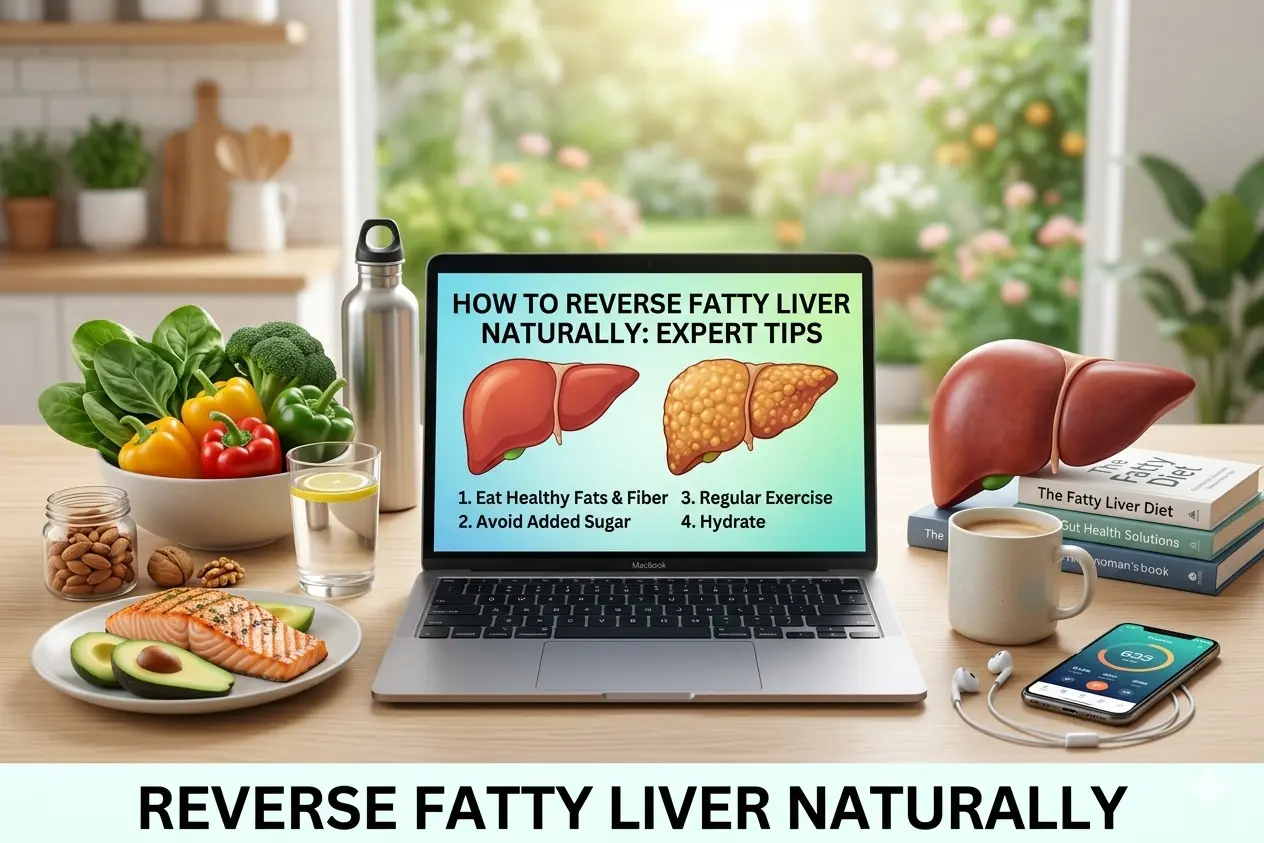

Fatty liver disease is increasingly common and is often associated with excess body weight, insulin resistance, type 2 diabetes and lifestyle factors. Many people discover fatty liver during routine blood tests or an ultrasound and then wonder what they can do to improve their liver health.
The good news is that lifestyle changes can play an important role in managing fatty liver. Improving food choices, maintaining a healthy weight, becoming physically active, getting adequate sleep and managing metabolic health may help reduce factors associated with liver fat.
A sustainable approach is more useful than following extreme detoxes or restrictive diets. FitNova Wellness follows a Whole Food Plant-Based approach that emphasizes vegetables, fruits, whole grains, legumes, nuts and seeds while avoiding foods from animal origin such as non-vegetarian foods, fish and dairy.
This article explains how diet and lifestyle may support liver health and when professional guidance is important.
Table of Contents
- What Is Fatty Liver?
- What Causes Fatty Liver?
- Can Fatty Liver Improve With Lifestyle Changes?
- What Foods Can Support Liver Health?
- Which Fatty Liver Foods Should You Avoid in India?
- How Can Exercise Help?
- Is Fatty Liver Treatment Without Medication Possible?
- When Should You Seek Professional Help?
- Expert Answer
- Frequently Asked Questions
What Is Fatty Liver?
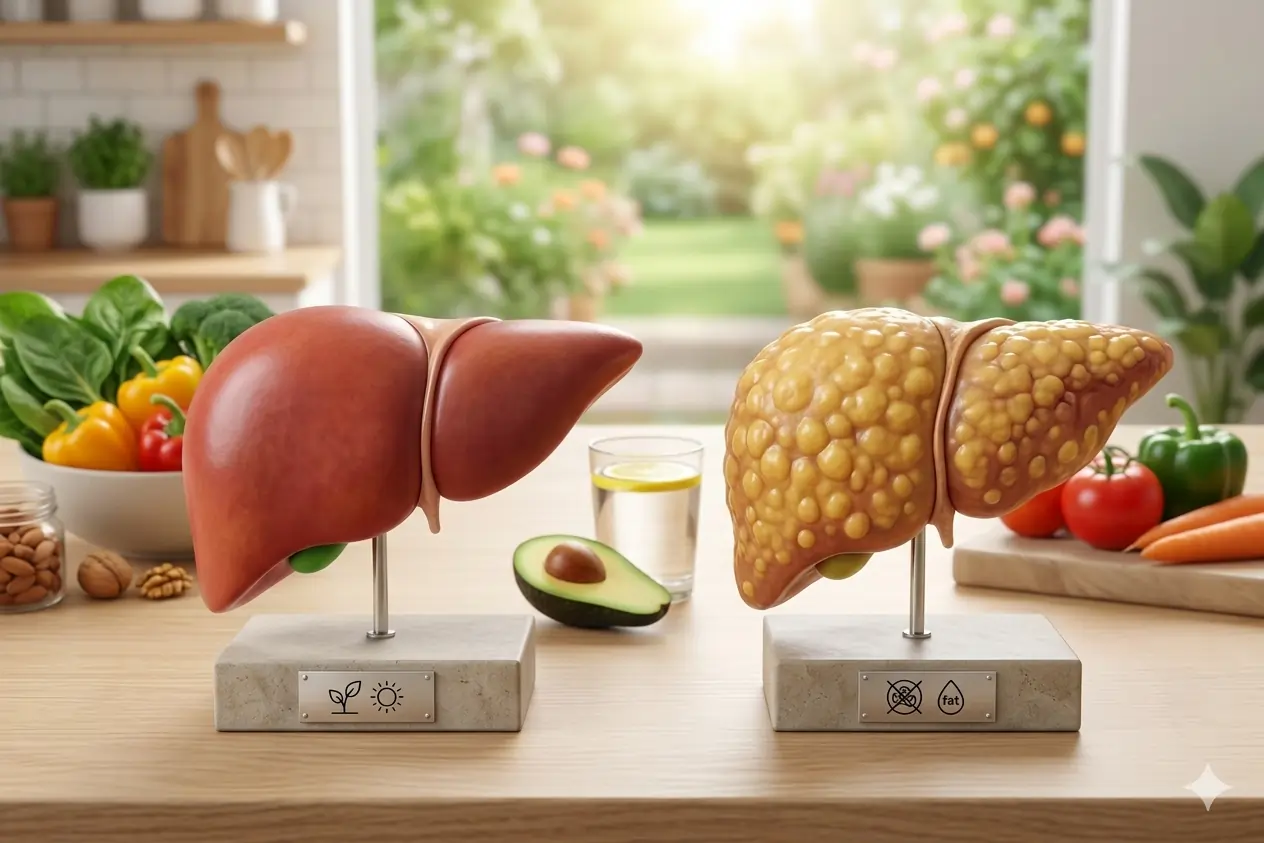
Fatty liver occurs when excess fat accumulates in the liver. It can be associated with metabolic conditions such as obesity, insulin resistance and type 2 diabetes, although several other factors can also contribute.
Fatty liver may not always cause noticeable symptoms. Some people may experience tiredness or discomfort in the upper-right abdomen, while others may have no symptoms at all.
Because symptoms alone cannot confirm fatty liver, medical evaluation and appropriate tests are important when the condition is suspected.
What Causes Fatty Liver?
Fatty liver can have multiple contributing factors. Metabolic health is particularly important in the type of fatty liver commonly associated with excess body weight and insulin resistance.
Risk factors may include:
- Excess body weight
- Insulin resistance
- Type 2 diabetes
- High intake of added sugars
- Physical inactivity
- Poor dietary patterns
- Abnormal blood lipid levels
- Certain medications or medical conditions
This means that improving overall metabolic health can be an important part of liver health management.
Can Fatty Liver Improve With Lifestyle Changes?
One of the most important questions people ask when looking for fatty liver treatment in Pune is whether lifestyle changes can actually make a difference.
For many people, improving diet, increasing physical activity and achieving appropriate weight loss can help reduce liver fat and improve metabolic health.
However, the outcome depends on the underlying cause and severity of liver disease. Fatty liver is not one identical condition for everyone.
Lifestyle changes should therefore be considered part of an overall management plan rather than a guaranteed cure.
What Foods Can Support Liver Health?
There is no single “fatty liver food” that can remove liver fat. Instead, the overall dietary pattern matters.
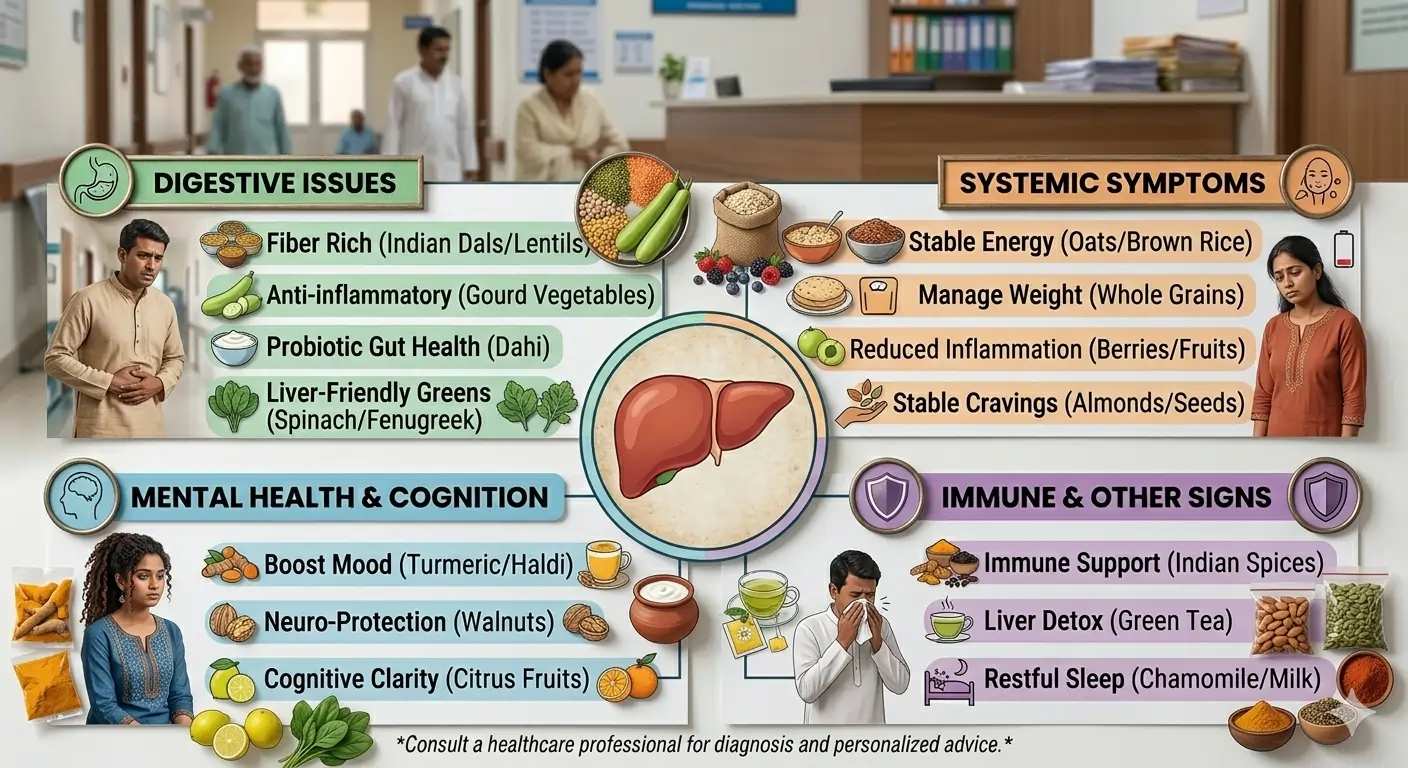
A Whole Food Plant-Based approach can provide a wide range of naturally nutrient-rich foods, including:
- Green leafy vegetables
- Cruciferous vegetables
- Seasonal vegetables
- Whole fruits
- Oats and other whole grains
- Brown rice
- Millets
- Lentils
- Beans
- Chickpeas
- Nuts
- Seeds
These foods can provide dietary fiber and other nutrients while helping reduce dependence on highly processed foods.
Why Is Fibre Important?
Fiber-rich foods can support digestive health and help create a more nutrient-dense eating pattern. Whole grains, legumes, vegetables and fruits are practical sources of dietary fiber.
If your current diet is low in fiber, increasing fiber gradually may be more comfortable for digestion.
Which Fatty Liver Foods Should You Avoid in India?
When people search for fatty liver foods to avoid India, they often expect a simple list. Instead of focusing on individual foods alone, it is more useful to identify eating patterns that may contribute to poor metabolic health.
Consider limiting:
| Food or Drink | Why Limit It? |
| Sugary beverages | Can provide large amounts of added sugar |
| Packaged sweets | Often high in added sugar and refined ingredients |
| Refined snacks | May be energy-dense and low in fiber |
| Deep-fried processed foods | Can contribute to an overall unhealthy dietary pattern |
| Highly refined grains | Generally provide less fiber than whole grains |
| Ultra-processed foods | Often contain combinations of refined carbohydrates, fats, salt and added sugars |
| Excessively sugary desserts | Can increase overall added sugar intake |
For an Indian diet, this may mean reducing frequent consumption of items such as sugary drinks, packaged sweets, refined bakery products and heavily processed snacks.
The aim is not to create a fear-based food list. Instead, build most meals around whole or minimally processed plant foods.
How Can Exercise Help?
Nutrition is only one part of liver health. Regular physical activity can support weight management, insulin sensitivity, cardiovascular health and overall metabolic health.
Suitable activities may include:
- Brisk walking
- Cycling
- Strength training
- Yoga
- Swimming
- Other enjoyable forms of regular movement
The right amount and type of exercise depend on individual fitness, age and health status.
Starting with realistic goals and gradually increasing activity is often more sustainable than adopting an intense exercise routine that cannot be maintained.
Can Weight Management Support Liver Health?
For people who are overweight or living with obesity, gradual and sustainable weight loss may help reduce liver fat and improve metabolic health.
However, weight loss should not be approached through extreme fasting, crash diets or unverified detox products.
A sustainable approach includes:
- Improving overall food quality
- Increasing physical activity
- Reducing highly processed foods
- Getting adequate sleep
- Managing stress
- Monitoring relevant health conditions
Individual weight-management goals should be discussed with an appropriate healthcare professional.
Is Fatty Liver Treatment Without Medication Possible?
People frequently ask, is fatty liver reversible without medication?
For some people, fatty liver can improve substantially with lifestyle changes, particularly when the underlying metabolic factors are addressed. However, it would be inaccurate to say that everyone can manage fatty liver without medication.
The need for medication depends on the individual’s diagnosis, disease severity, associated conditions and medical assessment.
Lifestyle changes should therefore complement medical care when required rather than replace it.
If you have been prescribed medication, do not stop or change it because of information in an online article.
When Should You Seek Professional Help?
Fatty liver may exist without obvious symptoms, which is why medical evaluation is important when it is suspected or identified through testing.
Professional guidance may be particularly important if you have:
- Persistent abnormal liver tests
- Diabetes
- Obesity
- High cholesterol or triglycerides
- Persistent abdominal discomfort
- Unexplained fatigue
- A previous diagnosis of fatty liver
- Other liver-related concerns
People searching for fatty liver treatment Pune should look for qualified professional guidance rather than relying solely on online diet plans or detox products.
A personalized assessment can help determine the appropriate approach based on medical history, laboratory results, lifestyle and overall metabolic health.
Expert Answer
What Is the Best Lifestyle Approach for Fatty Liver?
A practical approach to fatty liver management should focus on sustainable lifestyle changes rather than quick fixes. Nutrition, physical activity, healthy weight management, sleep and stress management can all contribute to better overall metabolic health.
FitNova’s fundamental dietary philosophy is a Whole Food Plant-Based diet, emphasizing vegetables, fruits, whole grains, legumes, nuts and seeds. It does not advocate foods from animal origin such as non-vegetarian foods, fish or dairy.
The specific dietary and medical approach, however, should be individualized according to the person’s health status and clinical assessment.
Frequently Asked Questions
Is fatty liver reversible naturally?
Fatty liver can improve in many people when contributing lifestyle and metabolic factors are addressed. However, the possibility and extent of improvement depend on the underlying cause and severity.
What foods should I avoid with fatty liver?
Limit sugary beverages, highly processed foods, packaged sweets, refined snacks and other foods high in added sugar or refined ingredients. Focus more on whole and minimally processed plant foods.
Can a Whole Food Plant-Based diet support fatty liver management?
A Whole Food Plant-Based eating pattern emphasizes vegetables, fruits, whole grains, legumes, nuts and seeds. These foods can provide fiber and a range of nutrients while reducing reliance on highly processed foods.
Is fatty liver reversible without medication?
Some people may see significant improvement through lifestyle changes, but medication may be appropriate in certain situations. Never stop prescribed medication without discussing it with your healthcare professional.
Does exercise help fatty liver?
Regular physical activity can support weight management, insulin sensitivity and overall metabolic health. The appropriate exercise routine should be based on individual ability and health status.
When should I seek fatty liver treatment in Pune?
If you have been diagnosed with fatty liver, have abnormal liver tests or have metabolic risk factors, professional assessment can help determine the appropriate management approach.
Supporting Better Liver Health Through Sustainable Habits
Fatty liver management is not about finding a single miracle food or following an extreme detox. Sustainable lifestyle changes are more valuable for long-term health.
Building meals around vegetables, fruits, whole grains, legumes, nuts and seeds can support a nutrient-rich Whole Food Plant-Based eating pattern. Regular physical activity, adequate sleep and stress management can complement healthy nutrition.
If fatty liver has already been diagnosed, professional evaluation is important to understand its severity and identify associated metabolic factors.
The goal should be to improve overall health rather than focusing only on one liver measurement. Consistent lifestyle changes, appropriate monitoring and professional guidance can help create a sustainable path toward better metabolic and liver health.